Navigating the world of nonprofit registrations can feel overwhelming. The purpose of this blog is to break down what registrations are needed on a state-by-state basis. Nonprofits often need to register for charity solicitation if they ask for donations. In addition, some may require corporate registration if they operate in multiple states. However, not every state has the same rules. Ultimately, understanding these requirements helps avoid fines and keeps your organization compliant.
We’ll cover charitable solicitation registrations first. These are for groups that solicit funds from the public. Then, we’ll discuss corporate registrations for doing business across states. In contrast, small nonprofits or certain types might get exemptions. For emphasis, always check official sources since rules can change. We’ll also share steps to find a good compliance partner at the end.

Why Registrations Matter for Nonprofits
The main purpose of state registrations is to protect donors and ensure transparency. States want to know who’s asking for money and how it’s used. This cause-and-effect relationship means nonprofits must file forms before fundraising. Without registration, you could face penalties like cease-and-desist orders.
Addition to that, registrations build trust. Donors can check your status online in many states. However, requirements differ widely. Some states focus only on solicitation, while others tie it to holding charitable assets. Ultimately, if your nonprofit solicits nationally, you might need to register in up to 40 states. For contrast, about 10 states require no charity registration at all.
Readability is key here. We’ll use simple terms and short sentences. Think of it as a guide for busy nonprofit leaders. Now, let’s dive into the details.
Charitable Solicitation Registrations:
State-by-State Breakdown
Charitable solicitation means asking for donations, including online appeals. Most states require registration before you start. The purpose is oversight by agencies like the Attorney General or Secretary of State. In addition, many demand annual renewals and financial reports. However, exemptions exist for religious groups, schools, or small nonprofits under certain thresholds. For example, some states exempt if you raise less than $25,000.
Ultimately, 38 states plus the District of Columbia require full registration for solicitation. Two states, Arizona and Texas, have limited rules. Ten states need none: Delaware, Iowa, Idaho, Indiana, Montana, Nebraska, South Dakota, Utah, Vermont, and Wyoming. For emphasis, even if exempt, you might still need to file an exemption form.
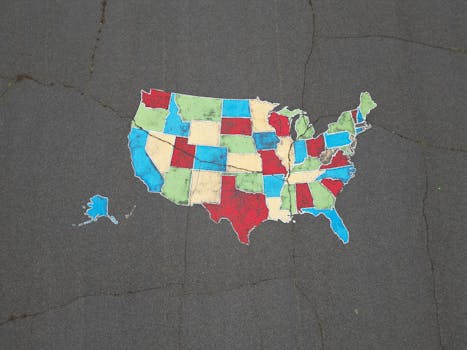
To make this clear, here’s a table summarizing key info. It includes whether registration is required, the main agency, and notes on requirements or exemptions. Links go to official sites for more details.
| State | Solicitation Required? | Agency | Notes and Link |
|---|---|---|---|
| Alabama | Yes | Attorney General | Required for solicitation; exemptions for religious orgs. Alabama AG |
| Alaska | Yes | Department of Law | File before soliciting; small org exemptions. Alaska DOJ |
| Arizona | Limited | Secretary of State / AG | Only for veterans’ charities; general scams handled by AG. AZ SOS |
| Arkansas | Yes | Secretary of State / AG | Annual reports needed; exemptions for members-only. AR SOS |
| California | Yes | Department of Justice | Register if soliciting or holding assets; thresholds apply. CA DOJ |
| Colorado | Yes | Secretary of State | Online filing; exemptions under $25,000. CO SOS |
| Connecticut | Yes | Department of Consumer Protection | Required for most; religious exempt. CT DCP |
| Delaware | No | Department of Justice | No general requirement. DE DOJ |
| District of Columbia | Yes | Department of Licensing and Consumer Protection | File annually; exemptions vary. DC DLCP |
| Florida | Yes | Department of Agriculture & Consumer Services | Thresholds for small groups. FL FDACS |
| Georgia | Yes | Secretary of State | Paid solicitors must register too. GA SOS |
| Hawaii | Yes | Attorney General | Online portal; exemptions for low revenue. HI AG |
| Idaho | No | Attorney General | No requirement. ID AG |
| Illinois | Yes | Attorney General | Annual financials; exemptions for religious. IL AG |
| Indiana | No | Attorney General | No general registration. IN AG |
| Iowa | No | Department of Justice | No requirement. IA DOJ |
| Kansas | Yes | Secretary of State / AG | File if soliciting. KS SOS |
| Kentucky | Yes | Attorney General | Exemptions for small orgs. KY AG |
| Louisiana | Yes | Department of Justice | Gaming charities separate. LA DOJ |
| Maine | Yes | Department of Professional & Financial Regulation | Licensing required. ME DPFR |
| Maryland | Yes | Secretary of State | Threshold over $25,000; initial forms. MD SOS |
| Massachusetts | Yes | Attorney General | Public charities file. MA AG |
| Michigan | Yes | Attorney General | Online system. MI AG |
| Minnesota | Yes | Attorney General | Trusts and orgs register. MN AG |
| Mississippi | Yes | Secretary of State | Annual renewals. MS SOS |
| Missouri | Yes | Attorney General | Consumer protection focus. MO AG |
| Montana | No | Department of Justice | No requirement. MT DOJ |
| Nebraska | No | Attorney General | No general rule. NE AG |
| Nevada | Yes | Secretary of State / AG | Charitable orgs file. NV SOS |
| New Hampshire | Yes | Attorney General | Trusts unit handles. NH AG |
| New Jersey | Yes | Attorney General | Forms for initial and renewal. NJ AG |
| New Mexico | Yes | Attorney General | Registrar contact. NM AG |
| New York | Yes | Attorney General | Most orgs register; religious exempt. NY AG |
| North Carolina | Yes | Secretary of State | Licensing for solicitation. NC SOS |
| North Dakota | Yes | Secretary of State / AG | Charitable orgs. ND SOS |
| Ohio | Yes | Attorney General | One-time then annual. OH AG |
| Oklahoma | Yes | Secretary of State / AG | Online filing. OK SOS |
| Oregon | Yes | Department of Justice | Activities register. OR DOJ |
| Pennsylvania | Yes | Department of State | Threshold-based fees. PA DOS |
| Rhode Island | Yes | Department of Business Regulation | File if soliciting. RI DBR |
| South Carolina | Yes | Secretary of State | Annual reports. SC SOS |
| South Dakota | No | Attorney General | No requirement. SD AG |
| Tennessee | Yes | Secretary of State | Charitable division. TN SOS |
| Texas | Limited | Attorney General | Only certain disclosures. TX AG |
| Utah | No | Department of Commerce | No general rule. UT DOC |
| Vermont | No | Attorney General | No requirement. VT AG |
| Virginia | Yes | Department of Agriculture & Consumer Services | Solicitation office. VA VDACS |
| Washington | Yes | Secretary of State | Charities program. WA SOS |
| West Virginia | Yes | Secretary of State | Registration forms. WV SOS |
| Wisconsin | Yes | Department of Financial Institutions | Credentialing. WI DFI |
| Wyoming | No | Secretary of State | No requirement. WY SOS |
This table draws from official sources. For what’s involved, most states need forms like articles of incorporation, IRS letter, bylaws, and financials. Fees range from $10 to $1,000. Renewals are annual, with reports on funds raised. Cause-and-effect: Miss a deadline, and you pay late fees.
In contrast, if you only solicit in non-requiring states, you’re good. However, online fundraising can trigger rules everywhere. For emphasis, consult the National Association of State Charity Officials for updates.
Corporate Registrations: When and Where Needed

Beyond charity rules, nonprofits may need corporate registration. This is for “doing business” in a state other than where incorporated. The purpose is to qualify as a foreign entity. In addition, it involves filing with the Secretary of State. However, “doing business” varies: hiring staff, owning property, or holding events might trigger it.
Ultimately, most states require this if you have a physical presence. For contrast, pure online solicitation might not. But if you solicit and operate, you often need both charity and corporate.
What’s involved? File a certificate of authority, pay fees ($50-$300), and appoint a registered agent. Annual reports follow. Exemptions are rare, but some states waive for nonprofits. Check each state’s SOS site. For example, in New York, if holding assets, register corporately too. In California, similar rules apply.
To summarize per state: It’s not always tied to solicitation. If your home state is Delaware but you run programs in Texas, register corporately in Texas. Addition to that, failure can block lawsuits or contracts there.
Steps to Finding the Correct Compliance Partner
Navigating this alone is tough. That’s why many nonprofits use compliance partners. The purpose is to outsource filings and stay current. However, choosing the right one matters. Ultimately, it saves time and avoids errors.
Here are the steps:
- Assess your needs: List states where you solicit or operate. Check if you need charity only, corporate, or both.
- Research options: Look for firms specializing in nonprofit compliance. Read reviews and compare services like initial filings, renewals, and tracking deadlines.
- Check expertise: Ensure they know state variations. For emphasis, ask about exemptions and backfiling for past issues.
- Get quotes: Request pricing per state. Some charge flat fees.
- Look for providers that have scalable pricing due to size of nonprofit.
- Evaluate support: See if they offer consultations to spot gaps.
A good example is Charity Filings. They handle charitable registrations, corporate filings, and more across states. Their process starts with a free consultation to review your status. Then, they file forms, track due dates, and correspond with agencies. This helps nonprofits focus on missions while staying compliant. In contrast, doing it yourself risks mistakes.
Conclusion
In conclusion, state registrations for nonprofits involve charity solicitation and sometimes corporate filings. The purpose is accountability. Addition to that, requirements vary by state, as shown in the table. However, with planning, it’s manageable. Ultimately, use official links and consider partners like
Charity Filings for help.