

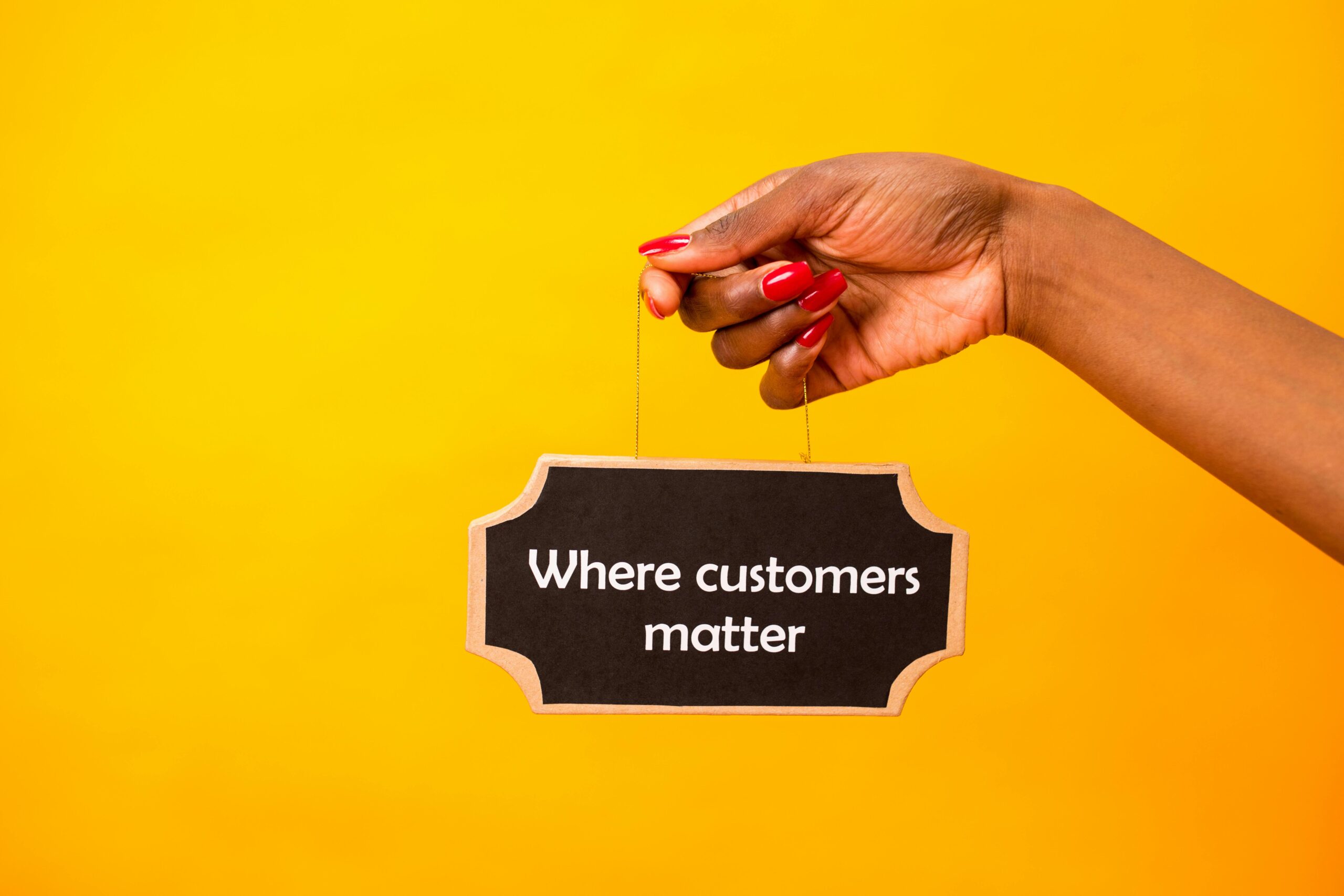
The New Standard of Excellence in 2026
The business landscape of 2026 has undergone a radical transformation. While the previous decade was defined by rapid automation and “scale at all costs” mentalities, the purpose of modern business has shifted back toward the human element. Today, being truly client-centric isn’t just a buzzword; it is a powerful commitment to placing the client’s unique journey at the heart of every decision.
In the past, companies often prioritized internal efficiency over external satisfaction. However, in 2026, the market has corrected itself. Clients are no longer content being a ticket number in a CRM. They demand impactful results paired with a high-touch experience. To succeed today, firms must move beyond transactional interactions and embrace a philosophy rooted in genuine partnership.
Stopping the “Carousel” of Account Managers
One of the most significant frustrations for clients over the last few years has been the “revolving door” or “carousel” of account managers. We have all experienced it: just as you finally finish explaining your organizational goals to one person, they are promoted, transferred, or leave the company. You are then introduced to a new face, and the cycle begins again.
Ultimately, this carousel destroys trust. In 2026, a stellar client experience is built on continuity. When a client works with a firm like Charity Filings, they expect a stable point of contact who understands their history, their pain points, and their vision for the future.
Cause-and-effect plays a major role here. When a client has a consistent advocate, the account manager develops deep institutional knowledge. This leads to faster problem-solving and proactive strategy. In contrast, a constant rotation of managers leads to “onboarding fatigue,” where the client spends more time catching up the new hire than actually achieving their goals.
Building Unshakable Rapport and Relations
In addition to stability, the emphasis in 2026 is on the depth of the relationship. Modern client relations go far beyond the monthly check-in call. It is about building a formidable rapport where the account manager acts as an extension of the client’s own team.
How is this rapport built? It starts with active listening. In a world saturated with AI-generated responses, the value of a real human conversation has skyrocketed. Ultimately, clients want to know that their partners care about their mission as much as they do. This is especially true in the nonprofit sector, where compliance and filings aren’t just paperwork—they are the lifeblood that allows a charity to do its good work.
To foster this rapport, account managers must be empowered to:
- Engage in strategic “big picture” thinking rather than just “ticking boxes.”
- Provide transparent communication even when the news is difficult.
- Celebrate the client’s wins as if they were their own.
The Balanced Focus: Client vs. Account Manager
A masterful client-centric model requires a delicate balance. It is not enough to simply “focus on the client” if the account manager is overwhelmed with 200 different accounts. In 2026, the most thriving companies have realized that to take care of the client, they must first take care of the person managing the relationship.
This is the “Balanced Ratio” approach. When an account manager has a manageable workload, they have the mental bandwidth to be innovative. They can spot a regulatory change on the horizon or suggest a more efficient filing process before the client even realizes they need it.
However, when the ratio is skewed, the quality of service inevitably drops. Emphasis must be placed on quality over quantity. By maintaining a balanced client-to-manager ratio, firms ensure that every interaction is intentional and high-value. This balance is the proven secret to long-term retention and organic growth.
Why Compliance Requires a Human Touch
For many organizations, regulatory compliance—such as state fundraising registrations—can feel like a daunting maze. In 2026, the complexity of these regulations has only increased.
Using a platform is helpful, but the true advantage comes from having an expert who knows the nuances. This is where the purpose of a dedicated account manager shines. They don’t just file forms; they provide peace of mind. They understand that behind every filing is a nonprofit trying to change the world.
By prioritizing expert guidance over automated templates, firms provide a superior level of security. In contrast to “set it and forget it” software, a human-led relationship ensures that no detail is overlooked and no deadline is missed. This level of excellence is what defines a top-tier service provider in today’s economy.
Transitioning to a Client-First Culture
Shifting to a client-centric model isn’t just a strategy; it’s a culture. It requires buy-in from the top down. Cause-and-effect dictates that if leadership prioritizes short-term margins over long-term relationships, the staff will follow suit. Ultimately, the organizations that will dominate the next decade are those that view their clients as partners in a shared journey.
Key elements of this culture include:
- Empathy-Driven Service: Training staff to understand the pressures their clients face.
- Radical Transparency: Being open about processes, timelines, and costs.
- Proactive Problem Solving: Addressing issues before they become “fires.”
According to Forbes’ insights on customer experience, the human element remains the single greatest differentiator in a digital world. As we look through 2026, this sentiment has only strengthened.
The Future is Human
In conclusion, being client-centric in 2026 is an ambitious goal that requires moving away from the “carousel” of service and toward a model of stability, rapport, and balance. It is about recognizing that every client relationship is an investment in mutual success.
By focusing on deep relations and ensuring account managers have the space to provide exceptional service, firms can create a loyal client base that grows year after year. Whether you are navigating complex nonprofit regulations or simply looking for a partner who understands your business, the human touch is non-negotiable.
The ultimate reward for this approach isn’t just a better bottom line—it’s the satisfaction of building something meaningful together. In the fast-paced world of 2026, that is the most lucrative asset of all.