
Thanksgiving is more than just a day filled with delicious turkey, warm pumpkin pie, and exciting football games. In fact, this beloved autumn holiday carries a rich, surprising, and occasionally quirky history that stretches back centuries. Whether you are hosting a massive family feast or simply bringing a side dish to a friend’s house, knowing a few hidden gems about the fourth Thursday in November makes for phenomenal dinner table conversation. Furthermore, understanding the true origins of our favorite seasonal traditions helps us appreciate the spirit of gratitude even more deeply. Let us explore some of the most captivating and unexpected trivia behind America’s favorite harvest celebration.
The Surprising Menu of the Very First Thanksgiving
When most people picture the legendary 1621 feast shared between the Pilgrims and the Wampanoag people in Plymouth, Massachusetts, they immediately imagine a golden roasted turkey surrounded by mashed potatoes and cranberry sauce. However, historical records tell a drastically different story. According to Smithsonian Magazine, the original three-day harvest celebration featured a menu dictated entirely by what was locally available in colonial New England during the autumn months.
Specifically, the primary meat on the table was actually venison. The Wampanoag guests arrived with five freshly hunted deer as a generous contribution to the communal meal. In addition, the feast included an abundance of wild fowl such as ducks, geese, and swans, alongside a massive variety of fresh seafood. Because Plymouth sat right along the coast, diners enjoyed fresh lobster, clams, mussels, bass, and cod.
On the other hand, several modern staples were completely absent from that historic table:
- No Potatoes: White potatoes and sweet potatoes had not yet been introduced to North America from South America, meaning mashed potatoes were nowhere in sight.
- No Pumpkin Pie: While early colonists certainly ate boiled or roasted pumpkin, they lacked the butter, wheat flour, and sugar needed to bake a traditional pie crust.
- No Cranberry Sauce: Although wild cranberries grew abundantly in local bogs, the Pilgrims did not have enough sugar to boil them into the sweet, tangy sauce we love today.
Consequently, the original feast looked much closer to a coastal seafood boil combined with a wild game barbecue than a modern suburban dinner.
How a Magazine Editor Saved the Holiday
For more than two hundred years after that initial 1621 gathering, Thanksgiving was celebrated sporadically by individual states on completely different dates. As a result, there was no unified national day of thanks. That chaos changed entirely thanks to the relentless determination of one remarkable woman named Sarah Josepha Hale.
In addition to writing the famous nursery rhyme “Mary Had a Little Lamb,” Hale served as the influential editor of Godey’s Lady’s Book, a massively popular nineteenth-century publication. For an astonishing thirty-six years, she campaigned tirelessly to make Thanksgiving an official national holiday. For this purpose, she wrote hundreds of passionate editorials and sent persuasive letters to five consecutive United States presidents, urging them to unite the fractured nation through a shared day of gratitude.
Ultimately, her persistence paid off during the height of the American Civil War. In 1863, President Abraham Lincoln finally heeded her advice and issued a formal proclamation establishing the final Thursday of November as a national day of Thanksgiving. Because of Hale’s unwavering dedication, she rightfully earned the enduring nickname the “Mother of Thanksgiving.”
Presidential Turkey Pardons and Benjamin Franklin’s Bird Debate
One of the most lighthearted modern traditions in Washington, D.C., is the annual National Thanksgiving Turkey Presentation, where the President officially spares a lucky bird from the dinner table. While many people assume this custom dates back to Abraham Lincoln sparing his son Tad’s pet turkey in 1863, the official White House pardon is actually much newer. According to the White House Historical Association, President George H.W. Bush was the first leader to formally grant an official presidential pardon to a turkey in 1989.
Meanwhile, another famous founding father had very strong opinions about turkeys long before they became the centerpiece of November feasts. A popular myth claims that Benjamin Franklin wanted the wild turkey to be the national bird of the United States instead of the bald eagle. In contrast to this widespread rumor, Franklin never officially proposed the turkey as a national symbol. However, in a famous 1784 letter to his daughter, he did criticize the bald eagle for having “bad moral character” because it steals fish from other birds. By comparison, he praised the turkey as a “much more respectable bird” and a “true original native of America.”
Television Dinners Were Born From a Massive Mistake
Every November, millions of Americans look forward to enjoying tasty leftovers for days after the big meal. Remarkably, that exact craving for leftover turkey inspired one of the biggest revolutions in modern food history: the frozen TV dinner.
In 1953, the food company Swanson drastically miscalculated how many turkeys Americans would buy for Thanksgiving. As a result, the company was left sitting on a staggering 260 tons of unsold frozen turkey sitting inside ten refrigerated railroad cars. Facing a massive financial loss, a clever Swanson salesman named Gerry Thomas came up with a brilliant solution. Inspired by the compartmentalized metal trays used to serve hot meals on commercial airplanes, he designed a divided aluminum tray that could go straight from the freezer into the oven.
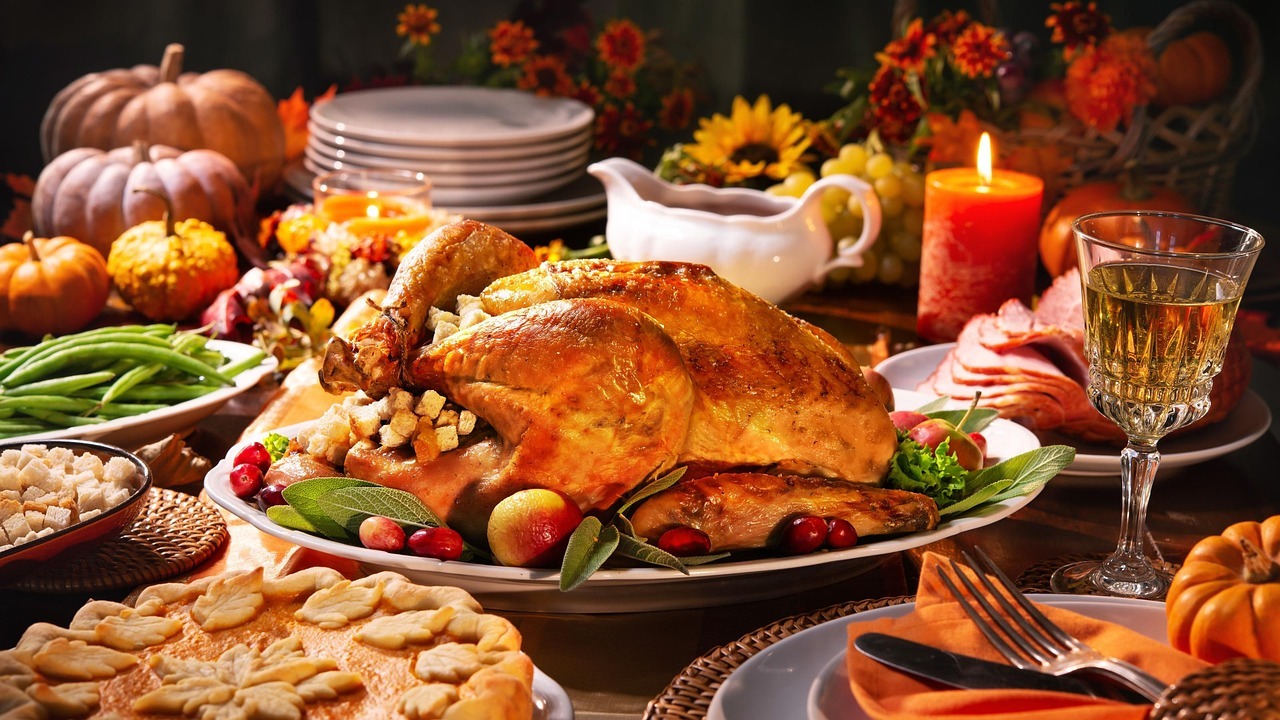
Each tray held sliced turkey with cornbread dressing, sweet potatoes, and buttered peas. Swanson marketed this convenient invention as the “TV Dinner” to capitalize on the booming popularity of household television sets. The product became an instant sensation, selling over ten million units in its very first year alone and permanently changing how busy families eat dinner.
Giving Back During the Season of Gratitude
Beyond the delicious food, parade floats, and family football rivalries, the true heart of Thanksgiving lies in generosity and community support. Across the country, millions of people volunteer at local soup kitchens, organize neighborhood food drives, and donate generously to charitable organizations. In fact, the Tuesday immediately following Thanksgiving—widely known as GivingTuesday—has grown into a massive global movement that inspires hundreds of millions of dollars in charitable donations within a single twenty-four-hour period.
When communities come together to support local nonprofits, transparency and proper organization become vital to ensuring those donations reach families in need. Organizations like Charity Filings help charitable groups stay compliant with state fundraising regulations so they can focus entirely on feeding the hungry and serving their neighborhoods. Ultimately, whether you are donating canned goods, volunteering your time, or simply expressing heartfelt appreciation around the dinner table, acts of kindness keep the authentic spirit of Thanksgiving alive.
Quick-Fire Fun Facts to Share at the Table
If you need a few rapid-fire trivia tidbits to impress your relatives while passing the gravy boat, keep these fascinating numbers in mind:
- The Heavyweight Champion: According to Guinness World Records, the heaviest turkey ever raised weighed an astonishing 86 pounds—roughly the size of a large golden retriever.
- Only Males Gobble: Female turkeys, known as hens, do not actually gobble; instead, they make soft clicking, clucking, and purring noises. Only male turkeys, called toms, produce that iconic gobbling sound.
- Jingle Bells Was a Thanksgiving Song: James Lord Pierpont originally wrote the classic winter tune “Jingle Bells” in 1857 for his local church’s Thanksgiving program, not for Christmas.
- The Longest Balloon: Snoopy holds the record for the most appearances in the Macy’s Thanksgiving Day Parade, having floated down the streets of New York City in various costumes more than forty times since 1968.
- Butterball’s Busy Hotline: Every November, the Butterball Turkey Talk-Line answers more than 100,000 phone calls, texts, and live chats from panicked cooks asking how to properly thaw and roast their birds.
Celebrating the True Meaning of the Day
In conclusion, Thanksgiving is a wonderful tapestry woven from centuries of history, happy accidents, cultural evolution, and heartfelt gratitude. From coastal venison feasts and tenacious magazine editors to accidental frozen dinners and charitable giving, every detail adds charm to this special autumn gathering. As you sit down with loved ones this November, take a moment to savor both the incredible food and the fascinating stories behind it.